

Pregnancy changes almost everything in your body, starting straight from your gut. The sudden morning nausea, persistent constipation, intense heartburn, and heavy bloating after a quick bowl of fish soup are not just random physical discomforts. They are clear signals that your digestive system is working under immense extra pressure.
When you carry new life, your natural instinct is caution. You question every ingredient, every meal, and every habit. Family and well-meaning friends might even advise you to avoid all supplements entirely while expecting. Yet, your digestive system needs extra care during these nine months, not less. Feeding your body properly is how you feed your growing baby.
So, can you take probiotics during pregnancy? What does the research actually say? The short answer is yes. Extensive medical research shows that taking high-quality, natural probiotics during pregnancy is both safe and effective for supporting your digestive system.
This guide breaks down how your digestive tract changes through each trimester, what is genuinely safe to consume, and how to choose gentle gut health supplements that work with your body rather than against it.
Medical Disclaimer: Always consult your doctor or gynaecologist before starting any new supplement during pregnancy.
Why Pregnancy Affects Your Gut
Your digestive tract feels different during pregnancy because your body undergoes a massive chemical and physical overhaul from week one.
- Hormonal shifts slow down digestion: Surging progesterone relaxes the smooth muscle tissues throughout your body, including your intestinal walls. Digestive motility slows to a crawl so your body can pull out every possible micro-nutrient for your baby. The frustrating side-effect? Trapped gas, sluggish bowel movements, and intense pregnancy bloating.
- Physical pressure from a growing baby: As your expanding uterus grows, it physically pushes your stomach and intestines upward and backwards. This mechanical compression compounds your digestive slowdown, making even modest meals feel heavy.
- Changes in your prenatal microbiome: The balance of bacteria living in your intestines adapts to support your changing metabolism. This altered bacterial community affects your energy levels and directly shapes your baby's developing immune system. When you strengthen your gut flora, you give your infant a healthier biological starting point for life.
Common Gut Issues Pregnant Women Face
Different trimesters bring different digestive hurdles. Understanding these shifts helps you manage them calmly.
First Trimester
The early weeks often feel like a total roller coaster. Hormone spikes trigger morning sickness and sudden food aversions. What many mothers do not realise is that an imbalanced gut ecosystem often makes nausea significantly worse. When poor bacterial balance slows transit times in early pregnancy, lingering waste products inflame the stomach lining, triggering stronger nausea signals to your brain. Meanwhile, elevated progesterone starts causing noticeable constipation almost immediately.
Second and Third Trimesters
As your baby grows larger during the middle and final months, physical space becomes scarce. Your compressed stomach pushes digestive acids upward into the oesophagus, making heartburn and acid reflux a daily struggle in Singapore's humid heat. At the same time, a squished intestine leads to a reduced appetite. When you can only eat smaller portions, your body must absorb nutrients with maximum efficiency. Proper second trimester gut health ensures that every mouthful of food you consume delivers full nutritional value to your bloodstream.
Is It Safe to Take Probiotic Supplements During Pregnancy?
Yes. Studies suggest that probiotics are generally safe for healthy expectant mothers. Emerging research also suggests that the maternal gut microbiome may influence a baby’s development through interactions between microbial metabolites, the immune system and the placenta. Our panel gynaecologist, Dr Amir, shares more about probiotics and gut health during pregnancy in this video.
Purity matters, though. Synthetic fillers, artificial colours, and hidden preservatives in off-the-shelf pills can easily irritate a sensitive bump. Stick strictly to 100% natural, wholefood formulas.
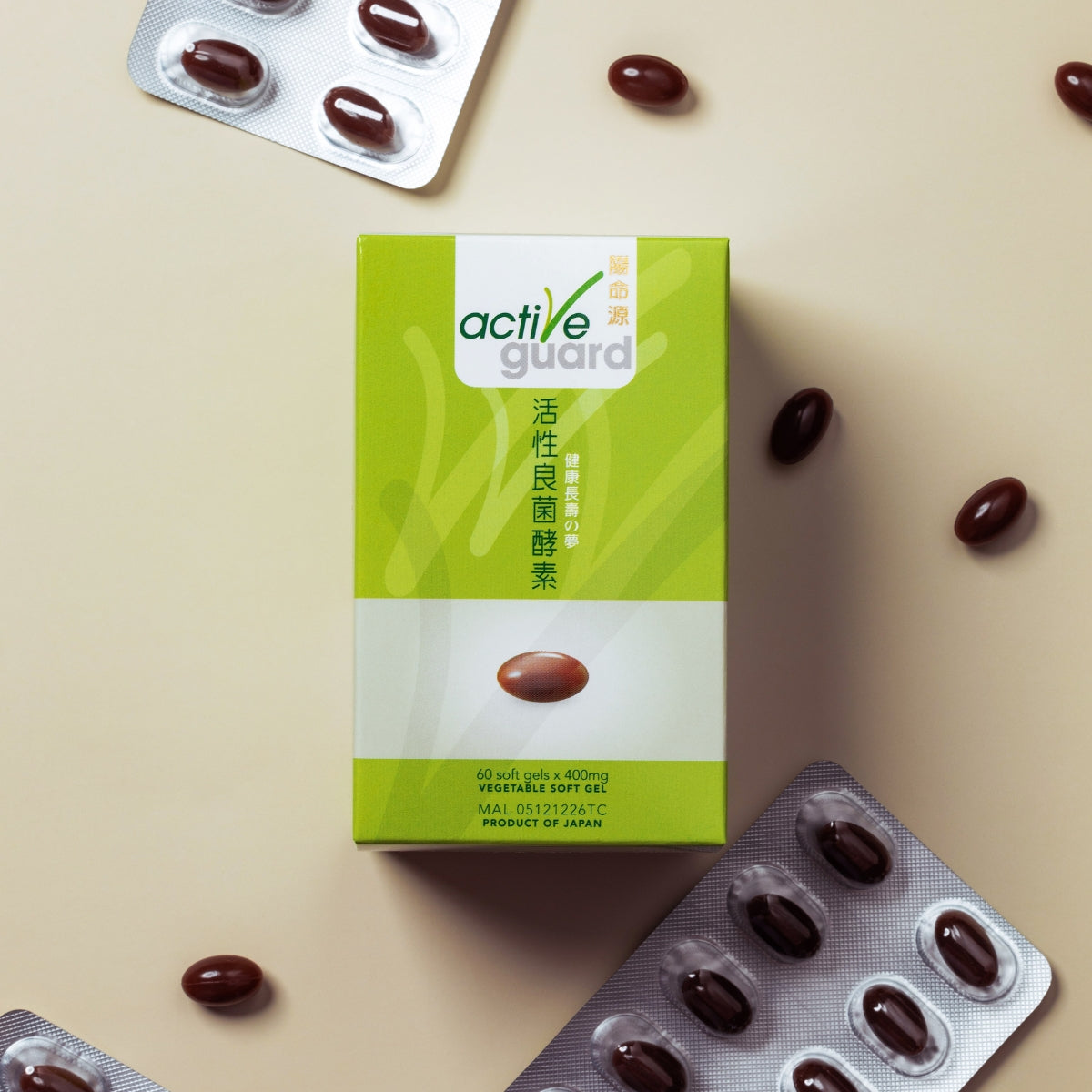
If you need a reliable probiotic supplement that Singapore mums trust, OSN Active Guard provides a clean, plant-based option. Fermented over three years in Japan using 75 whole fruits and vegetables alongside 17 beneficial bacterial strains, it gives expecting and nursing mothers gentle, chemical-free support for daily regularity.
Note: Every pregnancy is unique. Always check with your doctor before starting any new supplement.
See how OSN Active Guard supports your gut health during pregnancy:
What to Prioritise for Gut Health During Pregnancy
Supporting your tummy does not mean swallowing a dozen different pills every morning. Instead, focus on a few proven, gentle habits that deliver real comfort.
-
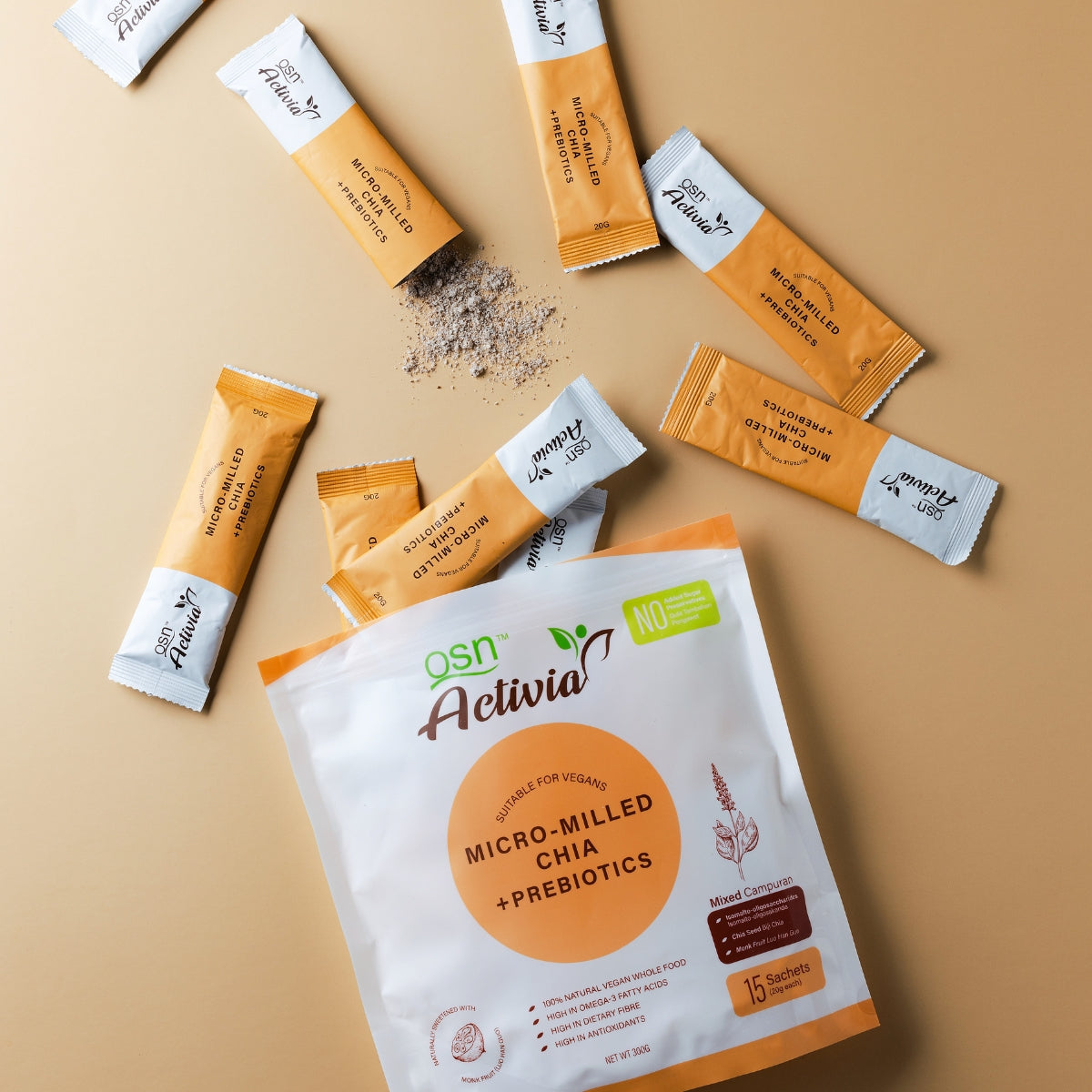
Increase gentle, natural fibre: Fibre keeps waste moving smoothly through a sluggish colon. Instead of harsh roughage that causes painful gas, choose a micro-milled chia seed drink. Fine chia powder swells gently with water, creating a smooth gel that lubricates the digestive tract and prevents painful strain.
-
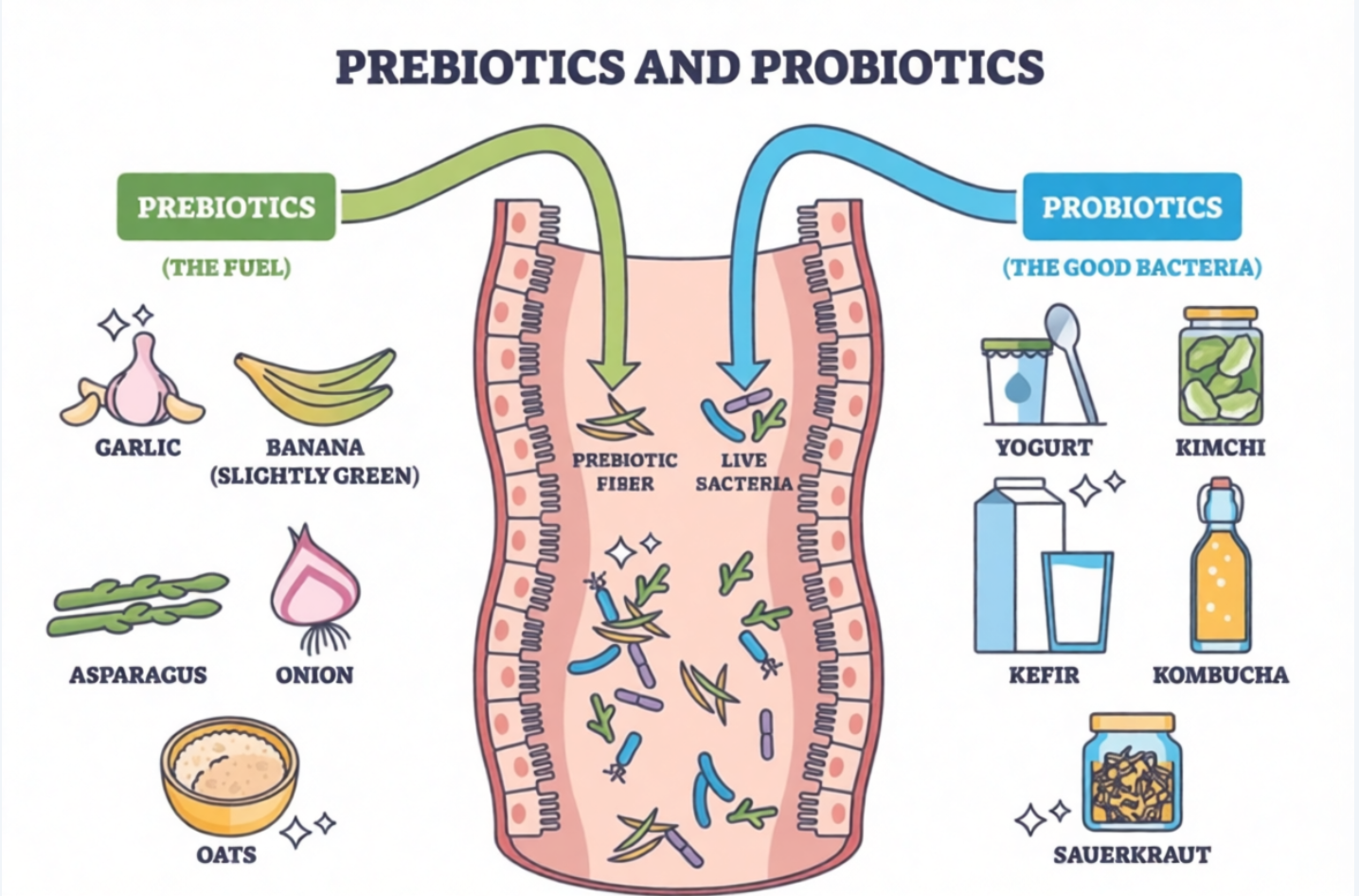
Combine prebiotics with probiotics: Probiotics are live beneficial bacteria, while prebiotics are the natural fibres that feed them. Combining both in a synbiotic formula supports the growth and activity of friendly bacteria so they can thrive in your colon. These natural gut health supplements help keep your microbiome in balance so your body absorbs vitamins and minerals effectively.
-
Hydrate continuously: Fibre needs plenty of water to do its job. Drinking adequate liquids throughout the day softens your stool and allows gentle fibre supplements to work effortlessly.
-
Avoid harsh laxatives and stimulants: Stay away from aggressive chemical laxatives, herbal teas, or unverified weight-management teas. These irritate the bowel walls and can trigger uterine contractions. Stick strictly to certified natural gut supplements.
If you need daily dietary support, exploring premium digestion supplements in Singapore can help you bridge the gap between busy schedules and sound nutrition.
Your Gut, Your Baby, Your Journey
Caring for your digestive ecosystem during pregnancy is not a luxury. It directly impacts your daily energy, your physical comfort, your nutrient absorption, and your baby's early immune development.
You do not have to accept severe bloating, painful constipation, or constant indigestion as unavoidable parts of carrying a child. By choosing wholefood nourishment, staying hydrated, and using gentle gut health supplements, you give your body the exact tools it needs to thrive.
Talk to your doctor or midwife today about incorporating natural probiotics into your prenatal routine, and explore OSN's 100% natural, plant-based wellness range to support your journey into motherhood.
OSN products are trusted by pregnant and breastfeeding mums across Singapore. All OSN formulas are 100% natural, plant-based, and free from synthetic additives. Always consult your healthcare provider before starting any new routine during pregnancy.
Explore OSN's Natural Gut Health Range →
Frequently Asked Questions
Can I take probiotics while breastfeeding?
Yes. Taking probiotics while nursing continues to support your own digestive recovery and helps promote healthy bacterial balance, which can be passed along to your infant through breast milk and close physical contact.
Which gut health supplements are safe in the first trimester?
100% natural, plant-based synbiotics and organic chia seed fibres are generally safe during early pregnancy. Always avoid formulas containing synthetic chemicals, herbal stimulants, or high doses of unverified botanicals.
Is constipation during pregnancy normal?
Yes, extremely normal. High levels of progesterone relax your intestinal muscles and slow down food transit times. Increasing your water intake, eating fine chia fibre, and taking gentle probiotics helps maintain daily regularity.
Do probiotics help with pregnancy nausea?
Yes, research indicates that probiotics can reduce morning sickness. By encouraging smoother stomach emptying and reducing gut inflammation, probiotics help minimise the build-up of waste that triggers nausea signals.



Leave a comment
All comments are moderated before being published.
This site is protected by hCaptcha and the hCaptcha Privacy Policy and Terms of Service apply.