

If your child experiences occasional digestive discomfort, changes in bowel habits or bloating, you may find yourself wondering whether their gut health could play a role.
As a parent, watching your child experience ongoing digestive discomfort can be stressful. You naturally want solutions that support their growing bodies without adding unnecessary complexity to their routine.
So, does your child actually need probiotics?
Not necessarily. Probiotics may be helpful for some children in specific circumstances, but not every child needs a supplement. A varied diet, good nutrition and healthy daily habits remain the foundation of children's gut health.
This guide explores how your child's gut microbiome develops, some factors that can influence children's gut health, and what to consider if you're thinking about introducing gut health supplements.
Why Children's Gut Health Matters More Than You Think
A child's digestive system does more than process food. The gut microbiome interacts with digestion, metabolism and the developing immune system, making it an important area of children's health.
- The gut and immune system: The gut microbiome plays a role in supporting the developing immune system. For young children whose immune defences are still developing, maintaining a balanced gut environment is one part of supporting overall health.
- A crucial biological window: The first few years of life are an important period for the development of the gut microbiome. During this time, a diverse range of gut bacteria can contribute to a healthy digestive environment as children grow.
- The wider impact of gut health: Gut health is one of several factors that may influence overall wellbeing. Research continues to explore connections between the gut microbiome and areas such as immunity, digestion, skin health and the gut-brain connection. However, these conditions are complex and can have many contributing factors, so gut health should not be considered the sole cause or solution.
Signs It May Be Worth Paying Attention to Your Child's Gut Health
Digestive symptoms can have many causes and do not necessarily indicate an imbalance in the gut microbiome. If symptoms are persistent, severe or concerning, speak with your child's healthcare provider.
- Digestive discomfort: Recurring stomach aches, bloating or discomfort after eating can have many causes. If symptoms persist or concern you, speak with your child's healthcare provider.
- Irregular bowel habits: Cycling between painful, hard-to-pass constipation and sudden loose stools.
- Frequent illnesses: Recurring colds, ear infections, or stomach bugs may be worth discussing with your child's healthcare provider, particularly if they happen frequently or are accompanied by other concerns.
- Skin changes: Persistent eczema, unexplained rashes or rough, dry patches can have many causes. If you're concerned, speak with your child's healthcare provider rather than assuming they are related to gut health.
- Mood swings and poor sleep: Irritability, sudden temper tantrums or difficulty settling down to sleep at night. The gut-brain axis connects the digestive system and brain, so digestive discomfort could contribute to changes in mood or sleep in some children.
Natural Ways to Support Your Child's Gut Health
A balanced diet and healthy daily habits can provide a strong foundation for your child's gut health.
Diet First
Start with wholesome, real foods on their plate:
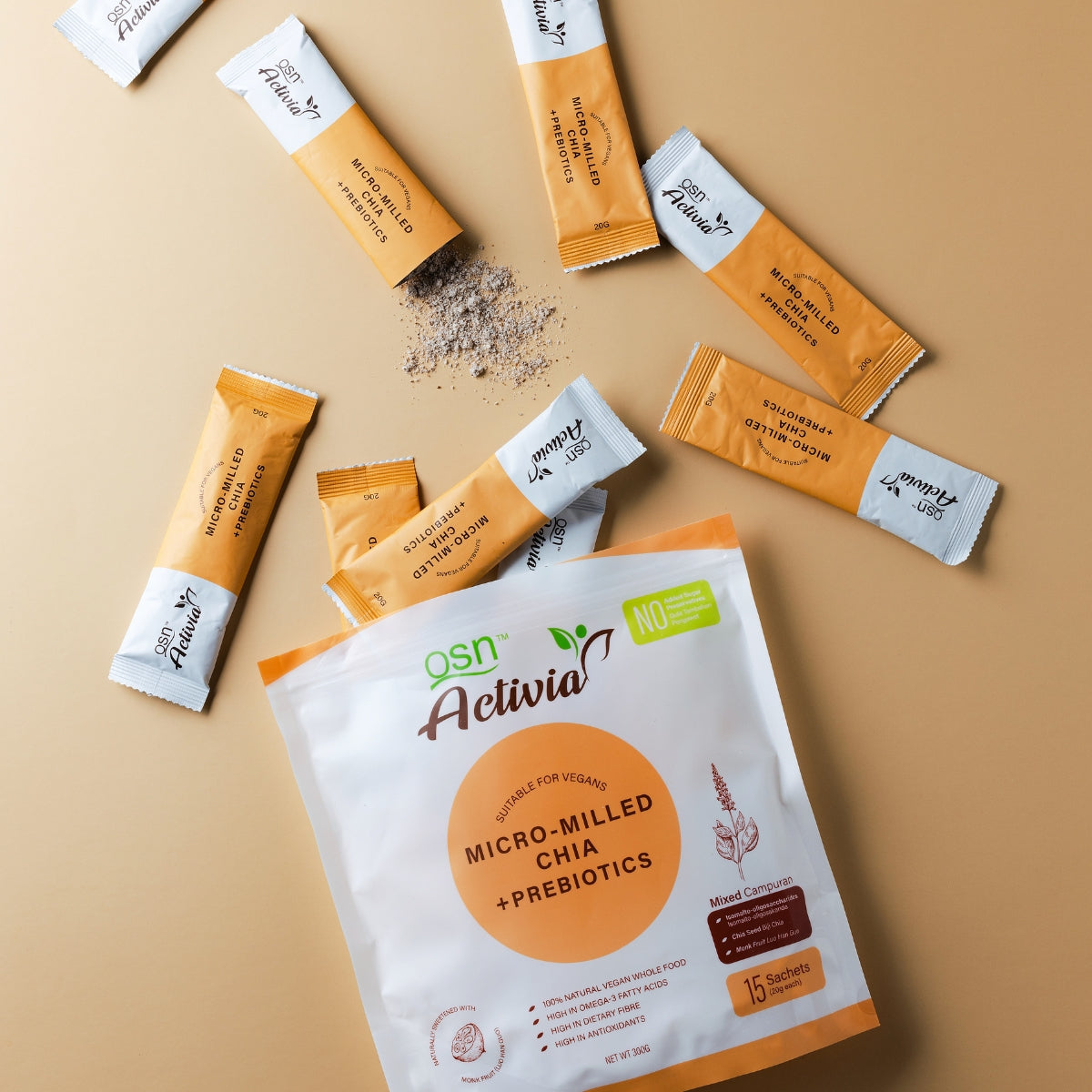
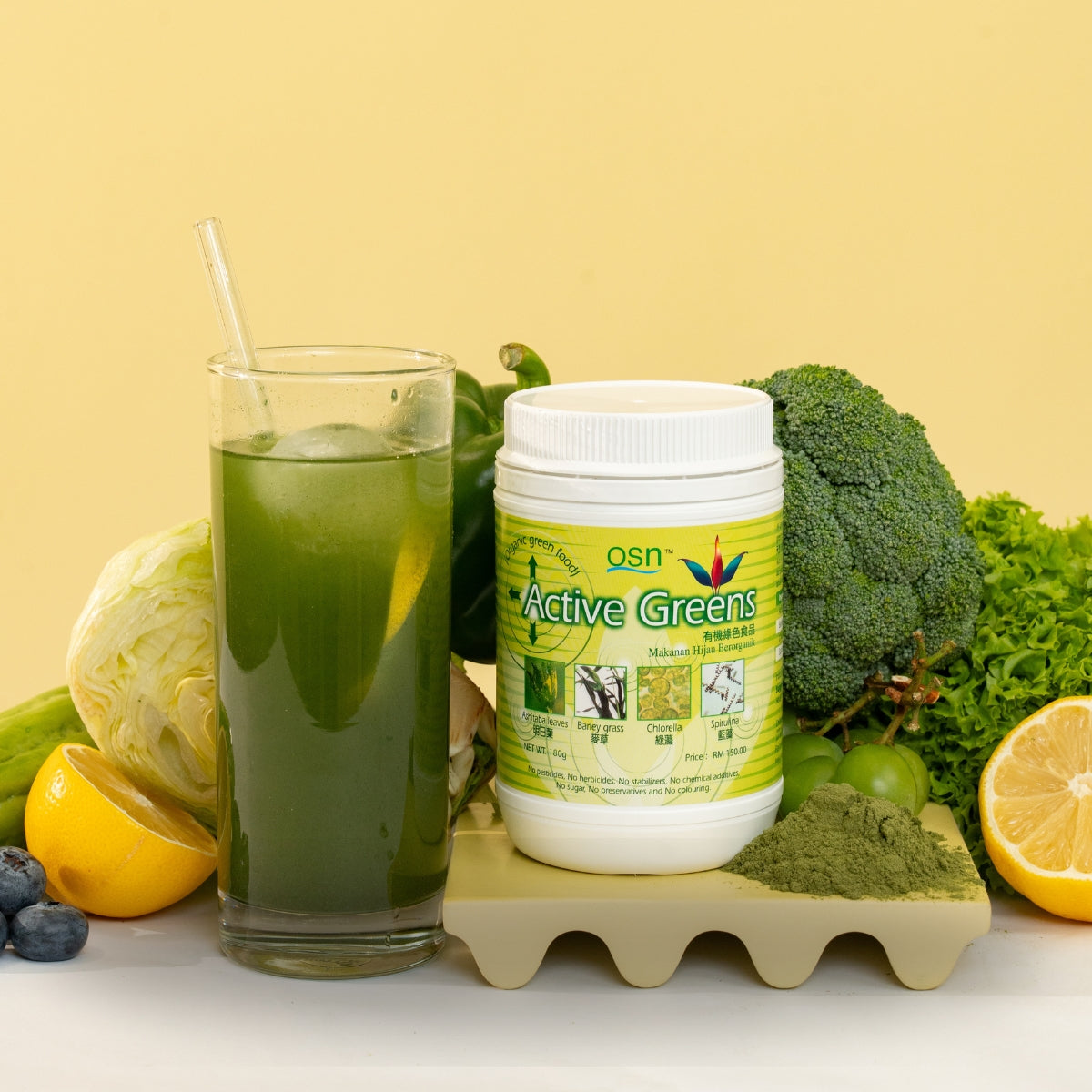
- Include a variety of fibre-rich foods: Fruits, vegetables, oats and legumes provide dietary fibre that can support a healthy gut microbiome.
- Keep highly processed and sugary foods in moderation: A balanced diet with a variety of whole foods can provide the nutrients and fibre children need to support overall digestive health.
- Consider suitable fermented foods: Foods such as plain yoghurt and some fermented foods may contain live cultures. Whether they are appropriate depends on your child's age, dietary needs and tolerance.
When to Consider a Supplement
In some situations, parents may consider additional nutritional support alongside a balanced diet.
- During and after a course of antibiotics: Antibiotics can affect the gut microbiome alongside the bacteria they are intended to target. If you're considering probiotic support after a course of antibiotics, speak with your child's healthcare provider about whether it may be appropriate.
- After digestive illness: Some children may experience temporary changes in bowel habits or digestion after a stomach illness. If symptoms continue, speak with your child's healthcare provider about appropriate nutritional or digestive support.
- For picky eaters: If your child's diet is very limited, speak with their healthcare provider or dietitian about whether additional nutritional support may be helpful.
What to Consider When Choosing a Children's Gut Health Supplement
When choosing a supplement for a child, it is important to consider its ingredients, formulation, quality standards and suitability for their age.
- Ingredients and formulation: Look for a formulation that clearly lists its probiotic strains, ingredients and recommended serving size. Consider your child's dietary requirements and any known sensitivities.
- Probiotic strains: Different probiotic strains have been studied for different purposes. Rather than assuming that a higher number of strains or a higher dose is always better, consider the formulation and whether it is appropriate for your child's needs.
- Quality and manufacturing: Choose products from brands that provide clear information about their manufacturing and quality standards.
- Ease of use: Consider how easily the product can be incorporated into your child's daily routine, particularly for younger children who may have difficulty swallowing tablets or capsules.
If you're considering children-friendly digestion supplements in Singapore, look for clear information about their ingredients, manufacturing process and suitability for children.
A Happier Gut for a Healthier Child
Your child's gut health is one part of their overall wellbeing, supporting everyday digestion while interacting with areas such as metabolism and the developing immune system.
Supporting your child's digestive health can start with simple habits such as offering a varied diet, including fibre-rich foods and encouraging healthy daily routines. By focusing on whole foods, including fibre-rich options and encouraging healthy daily routines, you can provide a strong foundation for your child's digestive health. If you're considering a supplement, choose one that is appropriate for your child's individual needs.
If you're considering a gut health supplement for your child and aren't sure where to start, speak with the OSN team about the formulation and how it may fit into your family's routine.
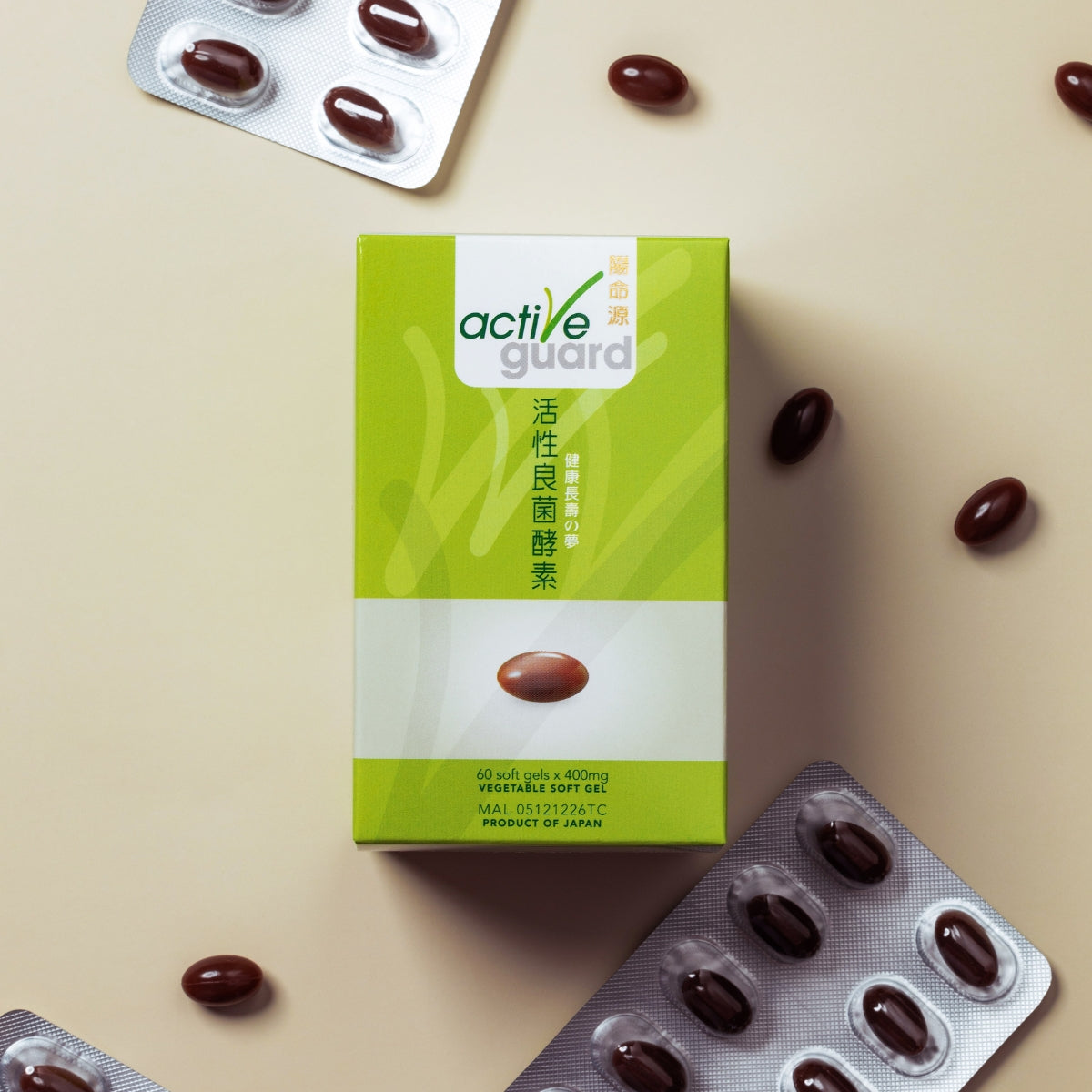
Explore OSN Active Guard Synbiotic, a plant-based fermented whole-food formulation designed to support children's everyday gut health.
Frequently Asked Questions
At what age can children start taking probiotic supplements?
The appropriate age for probiotic supplementation can depend on the product, formulation and your child's individual needs. For babies and young children, speak with your paediatrician or healthcare provider before introducing a probiotic supplement.
How do I give a gel capsule supplement to a young child?
Simply snip the tip of the softgel capsule with clean scissors and squeeze the contents directly into your child's mouth, onto a spoon, or mix it into room-temperature food like purees or porridge. Avoid hot foods, as high heat can destroy live friendly bacteria.
Can children with allergies take probiotics?
It depends on the product and the child's specific allergies or sensitivities. Always check the ingredient list and allergen information, and speak with your child's healthcare provider if you are unsure whether a particular supplement is appropriate.
How long does it take to see improvements in a child's gut health?
The time it takes to notice any changes can vary depending on the child, their diet, the probiotic strain and the reason for supplementation. Some children may notice changes in digestive symptoms, while others may not experience an obvious difference.



Leave a comment
All comments are moderated before being published.
This site is protected by hCaptcha and the hCaptcha Privacy Policy and Terms of Service apply.