

Most people in Singapore know that probiotics exist, but once you start looking for a prebiotic and probiotic supplement, the labels can get confusing. The terms - Prebiotics, probiotics, synbiotics and postbiotics all sound similar. However, they do very different things to your gut. If you have ever stood in front of a supplement shelf wondering which one you actually need, you are not alone. Many products in Singapore use gut health terms without clearly explaining what they mean, making it harder to know whether you are choosing something complete or just buying into another wellness trend. In addition, up to 70–80% of the body's immune cells are found in the gut-associated lymphoid tissue (GALT), and our gut is home to trillions of microorganisms. This makes the gut one of the body's most important hubs for immune defence and overall health
Thus, by the end of this guide, we hope that you will know what each term means, why the difference matters, and what to look for when choosing a supplement that supports your gut properly.
What Are Probiotics?
Probiotics are live beneficial bacteria that you consume to help replenish and support your gut microbiome. Your gut microbiome is the community of bacteria, yeasts, and other microorganisms living in your digestive system.
When it stays balanced, it supports important daily functions such as:
- Digestion
- Nutrient absorption
- Immune function
- Overall wellbeing
Common probiotic strains in Singapore include Lactobacillus and Bifidobacterium. You may see these names on supplement labels because they are two of the most widely used probiotic groups in Singapore.
However, not every probiotic works the same way. Different strains may support different areas of gut health, so the strain profile matters.
In reality, different strains are researched for different applications. Therefore, for your easier reference, we have a summarised table below that highlights the different purpose of the common strains:
|
Common Probiotic Strain |
Purpose |
|---|---|
| Lactobacillus acidophilus | Lactose digestion, general digestive comfort, maintaining a balanced microbiome |
| Lacticaseibacillus rhamnosus | Digestive health, immune support, women's intimate health (only applicable for certain strains only) |
| Limosilactobacillus reuteri | Oral health, digestive comfort, maternal and infant health (only applicable for certain strains only) |
| Lactiplantibacillus plantarum | Bloating, digestive comfort, gut barrier support |
| Lacticaseibacillus paracasei / casei | Digestive health and immune function |
| Bifidobacterium lactis | Regular bowel movements, digestive health, immune support |
| Bifidobacterium longum | Gut microbiome balance and digestive comfort |
| Bifidobacterium bifidum | Gut barrier support, microbiome balance |
| Saccharomyces boulardii | Supports gut balance during and after antibiotic use, and while travelling |
| Bacillus coagulans / Bacillus subtilis | Digestive comfort, shelf-stable delivery |
| Fermentation-derived postbiotics | Supports the gut environment |
When choosing a probiotic supplement, look beyond the word “probiotic” on the label. Pay attention to:
- The types of strains included
- How the formula is made
- Whether the product gives the bacteria the right support to survive
- Whether it works together with prebiotics or other gut-supporting ingredients
This is the key limitation of probiotics alone. They may reach your gut, but they still need the right environment and food supply to survive, settle, and thrive. Without that support, you may not get the full benefit you expected.
What Are Prebiotics?
Prebiotics are non-digestible fibers that feed the beneficial bacteria already living in your gut. Think of it this way: probiotics are the workers, while prebiotics are their food supply. If you bring in more workers but give them nothing to work with, they cannot perform at their best.
Unlike probiotics, prebiotics do not contain live bacteria. Instead, they help create the conditions that allow beneficial bacteria to grow, stay active, and support your digestive balance.
You can find prebiotics naturally in fiber-rich foods such as:
- Garlic
- Onions
- Bananas
- Asparagus
- Oats
- Legumes
The challenge is consistency. Many people do not eat enough fiber every day, especially in fast-paced cities like Singapore, where lunch meals are rushed, highly processed, or low in plant-based foods.
When your diet lacks prebiotic fiber, your gut bacteria may not receive the fuel they need to stay balanced. This is why some people look for a prebiotic routine that supports both the bacteria and their food source, instead of relying on probiotics alone.
What Are Synbiotics And Why Do They Matter?
A synbiotic combines probiotics and prebiotics in one formulation.
Instead of giving your gut beneficial bacteria on their own, a synbiotic pairs those bacteria with the fibers or nutrients designed to support them. The goal is simple: help the probiotic strains survive better, function better, and work more effectively in your digestive system.
This is where the difference becomes important.
A standard probiotic focuses mainly on adding live bacteria. A prebiotic focuses mainly on feeding beneficial bacteria. A synbiotic brings both together, so you are not treating them as separate pieces of the puzzle.
For many people, that makes synbiotics a more complete gut health option.
Why Synbiotics Outperform Probiotics Alone
Probiotics need the right support to survive the digestive journey and work effectively. Your gut is a tough environment, so taking probiotics alone may not always give them what they need to thrive. This is why synbiotics can be more effective than probiotics alone:
- They help probiotics survive better: Stomach acid, bile, diet, stress, and daily habits can affect how well probiotic bacteria survive. Synbiotics include prebiotics to help support those bacteria once they reach the gut.
- They remove the guesswork: Instead of taking a probiotic and then figuring out which prebiotic foods or fibers to pair it with, a synbiotic combines both in one formula.
- They support the bacteria already in your gut: Prebiotics do not just support the probiotic strains you take. They also help nourish the beneficial bacteria already living in your gut.
- They give your microbiome a stronger foundation: When probiotics and prebiotics work together, they help create a more supportive gut environment for digestive balance.
- They may include postbiotics for extra support: Postbiotics are beneficial compounds produced after fermentation, such as enzymes, amino acids, and organic acids. They are not live bacteria, but your body can absorb them directly to support overall gut health and wellness.
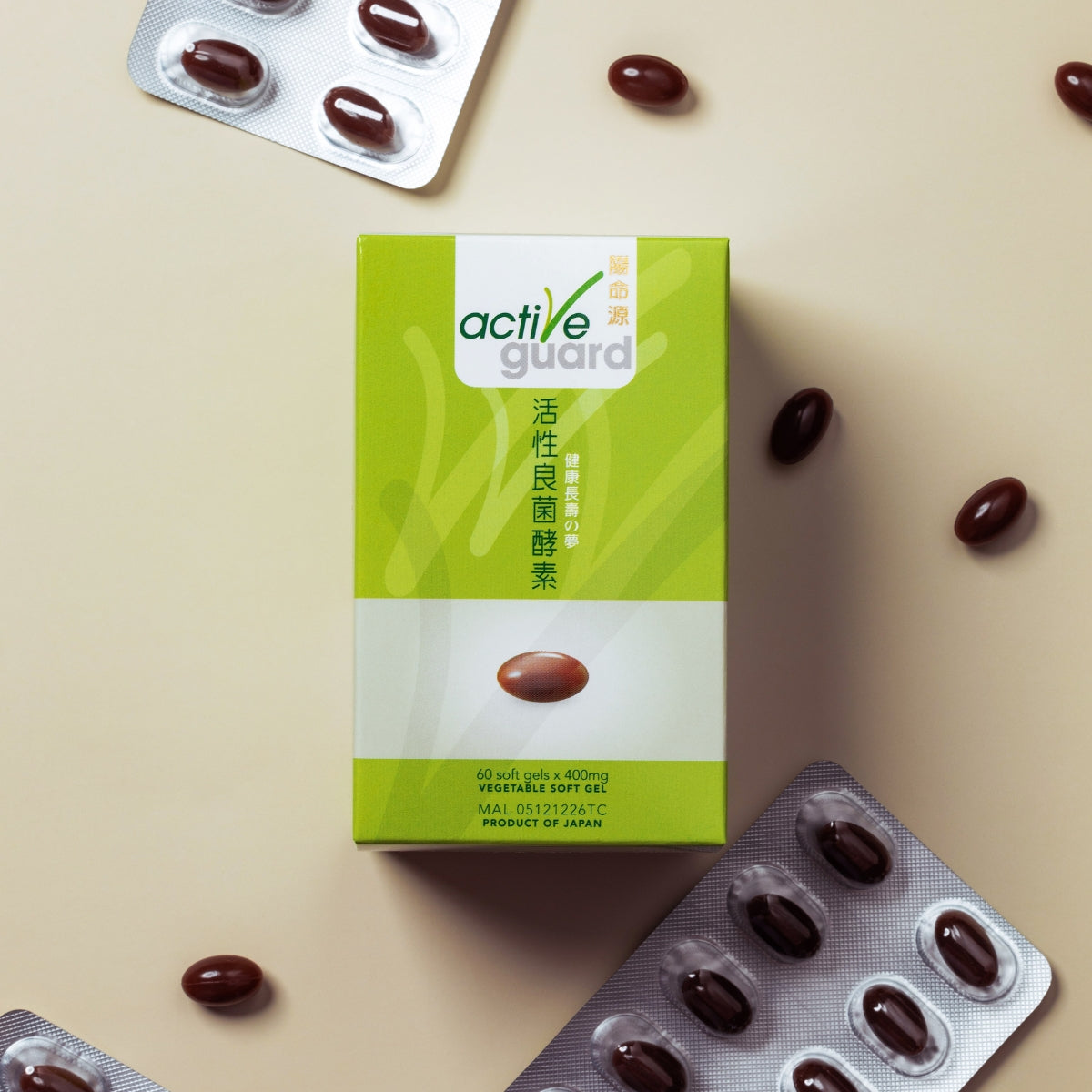
This is why OSN Active Guard goes beyond a standard probiotic. It combines probiotics, prebiotics, and postbiotics in one softgel, making it a more complete option for anyone looking for a prebiotic and probiotic supplement that fits easily into a daily routine.
You may also see people search for a pre probiotic supplement when they actually want this kind of combined gut support. The key difference is simple: instead of taking bacteria alone, you are choosing a formula that also helps support those bacteria.
Why the Formulation Matters
Even when a supplement contains probiotics, prebiotics, and postbiotics, the way those ingredients are formulated together is what determines whether it actually works. Not every bacterial strain pairs well with every prebiotic fibre, and not every delivery format protects live bacteria equally well as they pass through stomach acid - a softgel, capsule, or powder can each affect how much of the probiotic content survives to reach your gut intact. This is why two products with a similar-looking ingredient list can perform very differently in practice: the ingredient list tells you what's inside, but the formulation determines whether it's able to do its job. A well-considered formulation pairs the right strains with compatible prebiotic support and a delivery format designed to protect them, rather than simply combining ingredients that sound complementary on a label.
Probiotics vs Prebiotics vs Synbiotics: Quick Comparison
| Type | What it is | What it does | Who needs it |
|---|---|---|---|
| Probiotics | Live beneficial bacteria | Helps replenish and support the gut microbiome | People looking to add beneficial bacteria to their gut health routine |
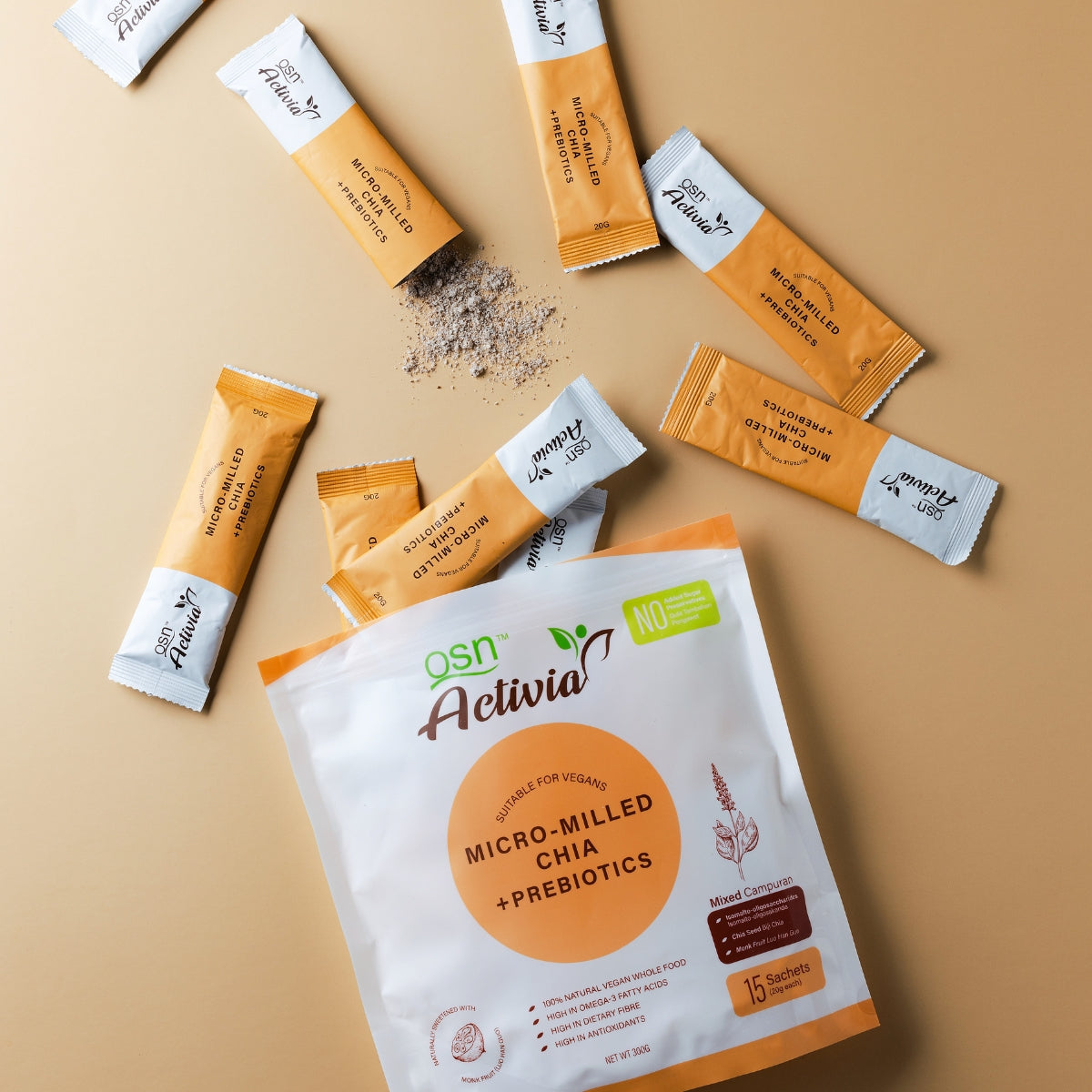
| Prebiotics | Non-digestible fibers | Feeds beneficial bacteria and helps them thrive | People who do not consume enough fiber or plant-based foods |
| Synbiotics | A combination of probiotics and prebiotics | Supports beneficial bacteria while also giving them the fuel they need | People who want a more complete option for digestive balance and daily gut support |
| Postbiotics | Beneficial compounds produced after fermentation | Provides compounds such as enzymes, amino acids, and organic acids that the body can absorb | People looking for broader gut health support beyond live bacteria alone |
If you only take probiotics without prebiotics, you may miss the foundation those bacteria need to thrive. It is like planting seeds without preparing the soil.
Prebiotics help create a more supportive gut environment. Probiotics help add beneficial bacteria. Synbiotics bring both together in one more complete approach.
This matters even more if you deal with recurring digestive discomfort, irregular bowel habits, bloating, or the feeling that your gut needs more consistent support. A synbiotic does not replace a balanced diet, but it can make your daily gut health routine easier to maintain.
That is the main value of Active Guard. It does not ask you to manage multiple products or guess which ingredients should go together. In fact, the fermentation of 75 fruits and vegetables in our Active Guard brings probiotics, prebiotics and postbiotics into one simplified formula, so you can support your gut with one simple daily step while juggling with multiple different commitments in a fast paced city like Singapore.
Conclusion
The easiest way to remember the difference is this: probiotics are the beneficial bacteria, prebiotics are their food, and synbiotics combine both together.
Once you understand that, choosing a supplement becomes much easier. You no longer have to waste money on an incomplete product that only solves one part of the gut health equation.
If you are looking for a prebiotic and probiotic supplement that goes beyond standard probiotics, OSN Active Guard gives you a complete synbiotic formula with probiotics, prebiotics, and postbiotics in one softgel.
Ready to try a formula that goes beyond standard probiotics?
Frequently Asked Questions
Is a synbiotic supplement better than taking probiotics and prebiotics separately?
A synbiotic supplement can be more convenient because it combines probiotics and prebiotics in one formulation. This helps remove the guesswork of choosing separate products and trying to pair them correctly. The main advantage is synergy. The probiotic strains and prebiotic support are designed to work together.
Do I need to eat prebiotic foods if I take a synbiotic supplement?
Yes, you should still aim to eat fiber-rich foods as part of a balanced diet. A synbiotic supplement can support your routine, but it should not replace whole foods. Foods such as bananas, onions, garlic, oats, legumes, and vegetables provide fiber and other nutrients that contribute to overall well-being.
What are postbiotics, and are they the same as probiotics?
Postbiotics are not the same as probiotics. Probiotics are living beneficial bacteria. Postbiotics are beneficial compounds produced after fermentation, such as enzymes, amino acids, organic acids, and other compounds your body can absorb. They can support gut health in a different way from live bacteria.
How long does it take for a synbiotic supplement to work?
Everyone responds differently. Some people may notice digestive changes within a few days, while others may need several weeks of consistent use. Your diet, stress levels, sleep, hydration, and existing gut health can all affect your results. For best support, take your supplement consistently and pair it with a balanced, fiber-rich diet.
Can probiotics survive stomach acid?
Some do, some don't. It depends on the strain. Certain probiotic strains, such as Lactobacillus rhamnosus and Bacillus coagulans, are naturally more acid-resistant and have been shown in research to survive passage through the stomach. Others are more fragile and may not make it through in meaningful numbers. This is why the specific strain and formulation of a supplement matters more than simply seeing "probiotic" on the label.
Can I take prebiotics and probiotics at the same time?
Yes. In fact, taking them together is a common and generally well-tolerated approach, since prebiotics can help support the probiotic bacteria once they reach the gut. This is essentially the principle behind synbiotic supplements.
How do I choose the right prebiotic and probiotic supplement?
Look for a product that lists specific, research-backed strains rather than just "probiotic blend," and check that it states a CFU (colony-forming unit) count. If you're new to supplements, starting with a synbiotic formula can be a simple way to get both the bacteria and the fiber that supports them in one product.




Leave a comment
All comments are moderated before being published.
This site is protected by hCaptcha and the hCaptcha Privacy Policy and Terms of Service apply.